

What is Prophylaxis?
Prophylaxis (or prevention) includes the set of sanitary measures required to prevent the occurrence and spread of diseases. Oral prophylaxis includes all means and techniques used to prevent oro-dental disease.
This can be done at home by keeping a correct oral hygiene, which involves regular and correct dental brushing, the use of dental floss, mouth water, and also water-flossing, but especially through regular visits to the dentist.
This can be done at home by keeping a correct oral hygiene, which involves regular and correct dental brushing, the use of dental floss, mouth water, and also water-flossing, but especially through regular visits to the dentist.
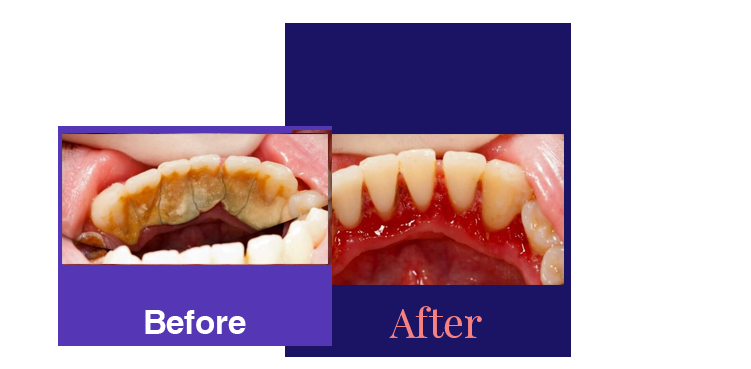


What is a
prophylactic session?
Prophylaxis performed in dental practices involves more work and procedures. It is a painless treatment and involves complex maneuvers that depend to a large extent on the amount of bacterial plaque and tartar accumulated over time. Also, most people do not opt for local anesthesia, but this can be done depending on the patient’s dental sensitivity.
Through the prophylactic consultation, the doctor will be able to inspect every element of the oral cavity and then detect the problems that occurred since the last visit to the dental office.
Through the prophylactic consultation, the doctor will be able to inspect every element of the oral cavity and then detect the problems that occurred since the last visit to the dental office.
There are many prophylactic maneuvers. Among these
we mention:
Gingivitis is a gum inflammation caused by the accumulation of bacteria in the oral cavity, leading to the formation of the bacterial plaque at the base of the teeth, and to gum infection. Fast treatment is of the absolute importance. Scheduling regular check-ups and cleanings and practicing good, daily oral hygiene habits can keep you away from suffering from periodontal disease and/or can help halt the progression of periodontal disease.
Ultrasonic scaling
Is the removal of tartar from the surface of teeth, prosthetic works or orthodontic appliances by ultrasound. Tartar is a mineral-organic deposit produced by bacterial plaque mineralization. It is made up of mineral and organics substances, similar to those in the dental plaque.
It should be remembered that the accumulation of these deposits of tartar will lead to gingivitis (inflammation of the gum), a periodontal disease in which blemishes and pains of gums can lead to gingival retraction. This condition can be prevented by regular visits to the dentist and by periodically performing ultrasonic scrap, but in the end, when it is too long, this untreated condition will lead to mobility and tooth loss (periodontitis).
It is also advisable to remove the bacteria before performing any other dental treatment to prevent the risk of infection, which is why the scaling is done at the beginning of any visit to the dental office.
Professional brushing
With the help of abrasive pastes of different granulations, remove dental plaque and tartar. Also, rotary tools used at low speeds are useful for removing residual deposits on dental surfaces.
Air Flow
Use a water-containing device, but also sodium bicarbonate particles that clean and smooth the dental surfaces. It is usually used at the end of a professional cleaning, so it complements the previous maneuvers: ultrasonic scaling and professional brushing. It especially helps to remove tartar and bacterial plaque in areas where it is harder to reach.
Personalized Oral Hygiene Training
Specialists recommend brushing dental surfaces, but also tongue and cheeks to remove all bacteria in the oral cavity. Whether using a classic or electric toothbrush, the most important is to know the correct techniques of a dental brush. Dental implants, prosthetic works or orthodontics (wearing orthodontic appliances) require rigorous hygiene and also a personal prophylaxis technique for each case.
Dental Laser Biostimulation
Absorption of the beam in the tissues allows a dental laser to make changes to their level. Biolase’s WaterLase MD Laser is the latest innovation in dental technology and is recognized for its outstanding applications and benefits.
012345678900123456789001234567890%
Client Satisfaction
0123456789001234567890h
Working Time
012345678900123456789001234567890+
Clients per month
Are there risks in the absence of oral prophylaxis and adequate hygiene?
Of course! And very many. Bacterial plaque and dental plaque are the source of the most common oro-dental disease: caries, periodontal disease that can cause many adult dental infections or even tumors over time.
Tartar and bacterial plaque are the main causes of failure of all dental treatments (prosthetic works, dental implants). Finally, inappropriate hygiene will result in the destruction and loss of teeth. All of this will have repercussions on the whole body, not just the oral cavity. Therefore, it should be remembered that then the insufficient mastication of food will affect the digestive system in time causing diseases of the stomach, intestines, etc.
Throughout the many research, it has been shown that the same bacteria found in the dental plaque are also found in atherosclerotic plaques in the blood vessels. It is therefore considered that dental diseases favor certain cardiovascular diseases such as hypertension, myocardial infarction and stroke.
Tartar and bacterial plaque are the main causes of failure of all dental treatments (prosthetic works, dental implants). Finally, inappropriate hygiene will result in the destruction and loss of teeth. All of this will have repercussions on the whole body, not just the oral cavity. Therefore, it should be remembered that then the insufficient mastication of food will affect the digestive system in time causing diseases of the stomach, intestines, etc.
Throughout the many research, it has been shown that the same bacteria found in the dental plaque are also found in atherosclerotic plaques in the blood vessels. It is therefore considered that dental diseases favor certain cardiovascular diseases such as hypertension, myocardial infarction and stroke.


Is dental prophylaxis important?
Surely! Oral hygiene is not very important just for facial aesthetics. Periodic control and complete and thorough hygiene will maintain not only the health of teeth and gums, but the entire body. And it should not be forgotten that the cost of a treatment for prevention is always lower than in the case of curative treatment.

